



 Login
 Register
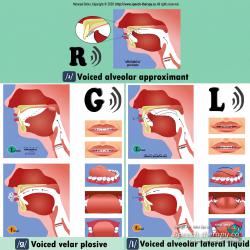

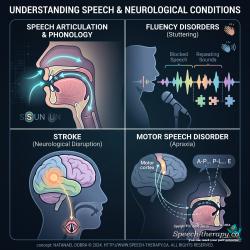
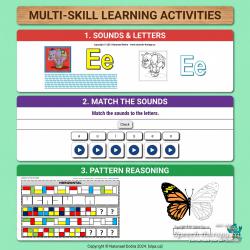
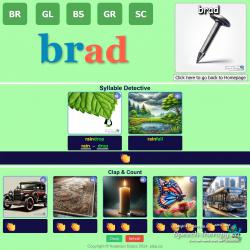
This section is your comprehensive hub for everything related to English plosive (stop) sounds—/p/, /b/, /t/, /d/, /k/, /g/—within the context of articulatory speech therapy. You'll find detailed guides on how each sound is taught in therapy, complete with word lists, visual cues, and step-by-step techniques. Access interactive online tools, downloadable PDF resources, printable worksheets, and word banks tailored for each plosive. Whether you're a speech-language pathologist, educator, or parent, this section provides all the tools you need to support accurate articulation and confident communication.
Plosives (Stops)
Plosives (Stops) are speech sounds made by completely blocking the airflow in the mouth for a short time and then releasing it suddenly, creating a burst of sound. This happens when two speech organs, like the lips or tongue and the roof of the mouth, come together to stop the air. In English, common plosives include /p/, /b/, /t/, /d/, /k/, and /g/. Some are voiced (with vocal cord vibration, like /b/ and /d/) and some are voiceless (without vibration, like /p/ and /t/). Unlike nasal sounds such as /m/, where air flows through the nose, plosives completely stop the airflow before releasing it.
- "P" /p/ – Voiceless Bilabial Plosive - by syllable & position → Download /p/ Word List (PDF)
- "B" /b/ – Voiced Bilabial Plosive - by syllable & position → Download /b/ Word List (PDF)
- "T" /t/ – Voiceless Alveolar Plosive - by syllable & position → Download /t/ Word List (PDF)
- "D" /d/ – Voiced Alveolar Plosive - by syllable & position → Download /d/ Word List (PDF)
- "K" /k/ – Voiceless Velar Plosive - by syllable & position → Download /k/ Word List (PDF)
- "G" /ɡ/ – Voiced Velar Plosive - by syllable & position → Download /ɡ/ Word List (PDF)


